
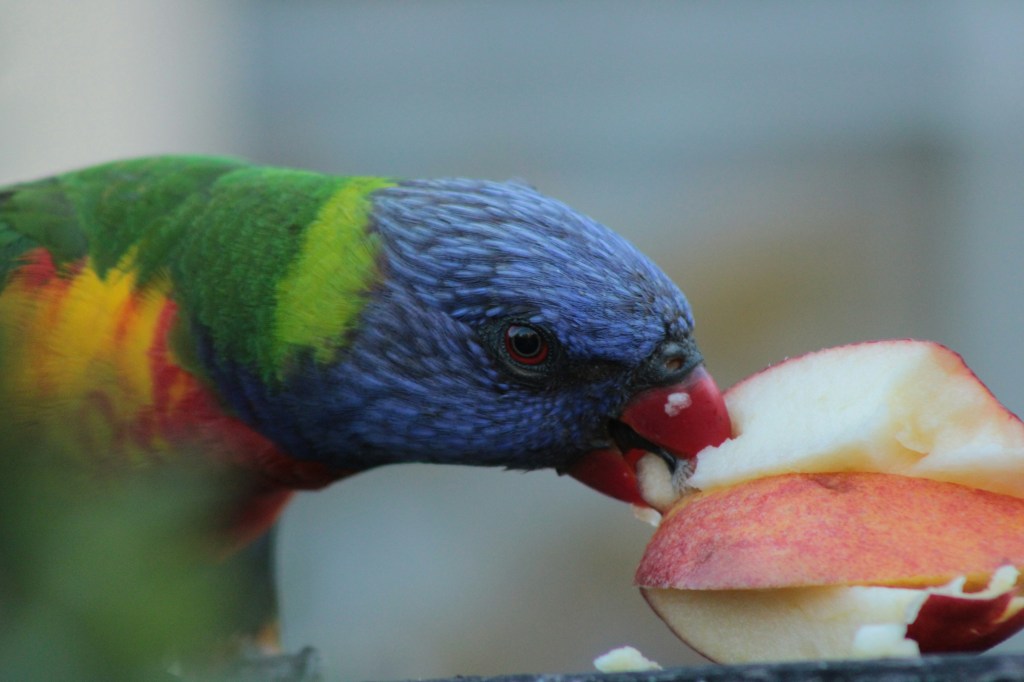
Bringing a parrot into your life is exciting—but it also comes with big responsibility. Parrots are intelligent, social animals that need more than just a cage and food. If you’re new to bird care, this quick guide will help you understand what your feathered companion really needs to thrive.
1. Proper Nutrition
A healthy parrot diet goes far beyond seeds. Many commercial seed mixes are high in fat and low in essential nutrients.
What to feed:
- A high-quality pellet base (natural, dye-free)
- Fresh vegetables daily (leafy greens, carrots, bell peppers)
- Limited fruit as a treat
- Occasional grains, legumes, and healthy nuts
- Fresh, clean water at all times
2. The Right Cage Setup
Your bird’s cage is more than just a home—it’s their world when you’re not interacting with them.
Basic cage tips:
- Choose a cage that allows full wing extension and movement
- Include multiple perches of varying textures and thickness
- Provide bird-safe toys for chewing and foraging
- Keep the cage clean—change liners and wash dishes daily
3. Social Interaction and Bonding
Parrots are flock animals. They need social interaction every single day to stay mentally and emotionally healthy.
Aim for:
- Quality out of cage time
- Talking, training, or just being near them while you work
- Establishing a consistent routine to build trust
4. Enrichment and Mental Stimulation
Smart birds get bored fast. Enrichment is essential for preventing behavioral issues.
Try:
- Rotating toys weekly
- Teaching simple tricks (like “step up” or targeting)
- Providing foraging opportunities (treats hidden in toys)
5. Sleep and Environment
Parrots need about 10–14 hours of sleep per night in a dark, quiet space.
Place in a quiet room to ensure rest. Poor sleep can lead to crankiness, hormonal shifts, and health problems.
 Flocksentials
Leave a comment