
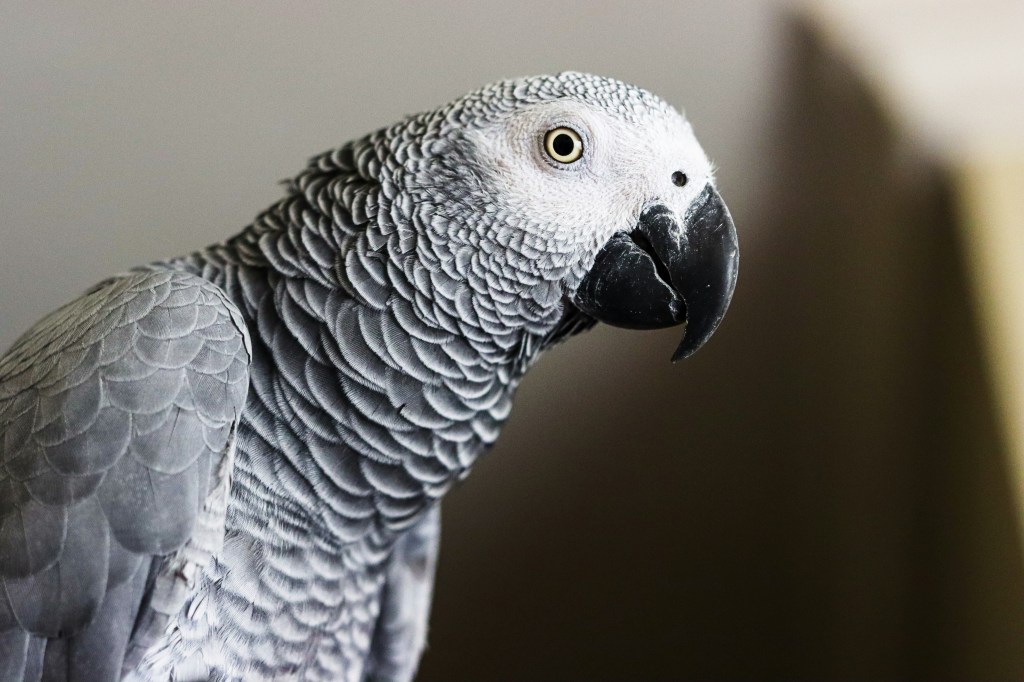
Learn why parrots have ultra-sensitive respiratory systems—and what you can do to keep your bird safe from hidden air quality dangers in your home.
More Than Just Air Breathers
Parrots may look tough with their beaks and claws, but their lungs? Delicate. Efficient. Extremely vulnerable.
Your bird’s respiratory system is one of the most advanced in the animal kingdom—and one of the easiest to harm without even realizing it.
At Flocksentials, we’re all about giving you the essential knowledge to care for your flock, and today we’re diving into one of the most overlooked areas of avian health: air quality.
Why Birds Breathe Differently Than Humans
Parrots don’t just have lungs like we do—they also have a series of air sacs throughout their bodies, allowing for a continuous flow of oxygen. This system helps them fly long distances and stay active, but it also means they absorb more airborne toxins with every breath.
Top Dangers to a Bird’s Respiratory System
1. Teflon (PTFE) Fumes
- Found in non-stick cookware
- When overheated, releases invisible, odorless fumes that are fatal to birds within minutes
- This is called Teflon toxicosis
🛑 Never use non-stick pans or air fryers around your parrot.
2. Candles, Air Fresheners & Scented Sprays
- Most contain volatile organic compounds (VOCs) and synthetic fragrances
- These irritate your bird’s delicate respiratory lining and can cause chronic issues
🌿 Stick to bird-safe alternatives like beeswax candles (unscented) and natural ventilation.
3. Cigarette & Vape Smoke
- Even secondhand smoke can damage your bird’s lungs
- Long-term exposure is linked to sinus infections, feather picking, and respiratory failure
4. Cleaning Products
- Bleach, ammonia, and many disinfectants release harmful vapors
- Birds don’t need direct contact—just breathing it in is dangerous
✅ Use bird-safe cleaning solutions or ventilate well and remove birds from the area completely during cleaning.
5. Dust & Dander (Yes, Even from Other Birds)
- Cockatoos and African Greys, in particular, produce a lot of feather dust
- Excess dust can lead to Aspergillosis, a dangerous fungal lung infection
💡 Use HEPA filters and keep the bird’s space well-ventilated.
Signs Your Bird May Be Having Respiratory Issues
Watch out for these warning signs:
- Tail bobbing with every breath
- Open-mouth breathing
- Clicking or wheezing sounds
- Lethargy or reduced vocalizing
- Fluffed-up feathers and hiding behavior
👩⚕️ If you notice any of these, contact an avian vet immediately.
How to Create a Bird-Safe Breathing Environment
- 🌀 Use a HEPA air purifier in your bird’s main living space
- 🌬️ Ensure good airflow— Avoid musty, damp, or stuffy rooms with poor ventilation
- 🧼 Clean cage areas frequently to reduce dust and mold
- 🕯️ Eliminate scented products and aerosols from your home
- 🔥 Replace non-stick cookware with stainless steel or cast iron
 Flocksentials
Leave a comment