As a responsible bird parent, choosing the right food for your feathered friend is one of the most important decisions you’ll make. With so many options on the market, it can be overwhelming to determine what’s truly healthy versus what’s just well-marketed. In this guide, we’ll break down what to look for in bird food, so you can make informed, conscious choices that support your bird’s health and happiness.
Why Bird Food Quality Matters
Your bird’s diet plays a vital role in their overall wellbeing—from their immune system and feather health to their energy levels and longevity. Birds, like humans, thrive on balanced nutrition. Poor-quality food can lead to nutrient deficiencies, obesity, behavioral issues, and even a shortened lifespan.
1. Balanced Nutrition for Parakeets: Seeds, Pellets & Veggies
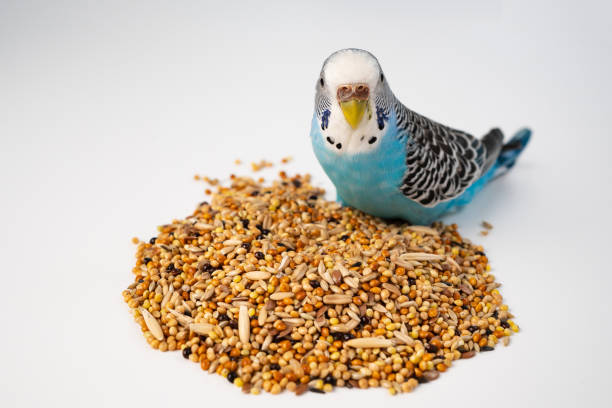
While many avian vets caution against seed-only diets, that’s because most commercial mixes are loaded with cheap fillers and lack variety. Our healthy parakeet seed mix is different—it’s crafted with high-quality, nutrient-rich seeds and grains that support your bird’s health.
For a truly balanced diet, pair it with:
- Fresh vegetables like leafy greens, carrots, or bell peppers
- Addition of high-quality pellets
2. Avoid Artificial Colors and Preservatives
Brightly colored bird food might catch your eye—but it’s usually a red flag. Artificial dyes like Red 40 or Yellow 5 are unnecessary and can be harmful over time. Choose food that gets its color from natural sources, and opt for blends that are free from BHA, BHT, and ethoxyquin—common synthetic preservatives.
3. Look For Natural, High-Quality Ingredients
One of the most important things to look for in bird food is ingredient quality. The best diets start with recognizable foods—seeds, grains, and vegetables that are minimally processed and free from synthetic chemicals.
High-quality bird food should be:
- Free from pesticides and chemical residues
- Made with non-GMO or organic ingredients when possible
- Transparent in labeling—you should recognize what’s in the mix
Birds have sensitive systems, so providing clean, natural food isn’t just a preference—it’s a health essential. Conscious bird parents choose quality ingredients to support stronger immunity, better digestion, and a longer, happier life for their feathered friends.
4. Avoid Fruits and Nuts: Good in Moderation, Risky in Excess
Fruits and nuts can be part of a healthy parrot diet, but only in moderation. Fruits are high in natural sugars. Safe options include berries, mango, and papaya, while avocado and fruit pits/seeds (like those from apples or cherries) should be avoided as they’re toxic. Nuts, while rich in healthy fats, are also calorie-dense and should be used mainly as training treats. Stick to raw, unsalted varieties like almonds or walnuts, and avoid salted, flavored, or mold-prone peanuts. In short: fruits and nuts are treats—not staples.
The Bottom Line: Read the Label
If you don’t recognize most ingredients, your bird’s body won’t either. Flocksentials keeps it simple, clean, and transparent.
🛒 Shop Now – Because your bird deserves better.
 Flocksentials
Leave a comment